
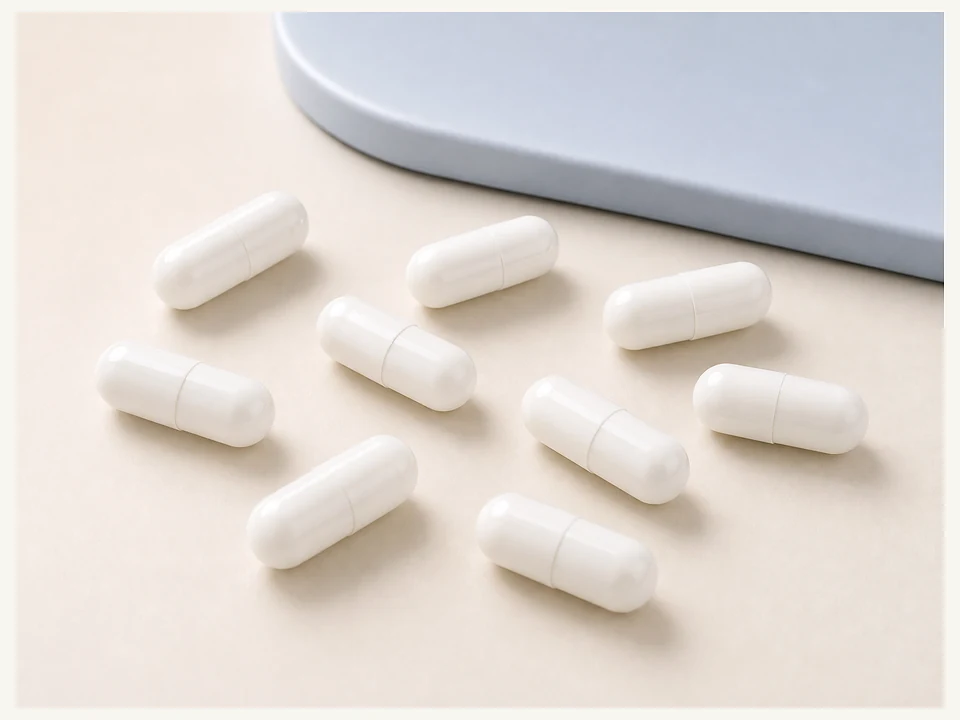
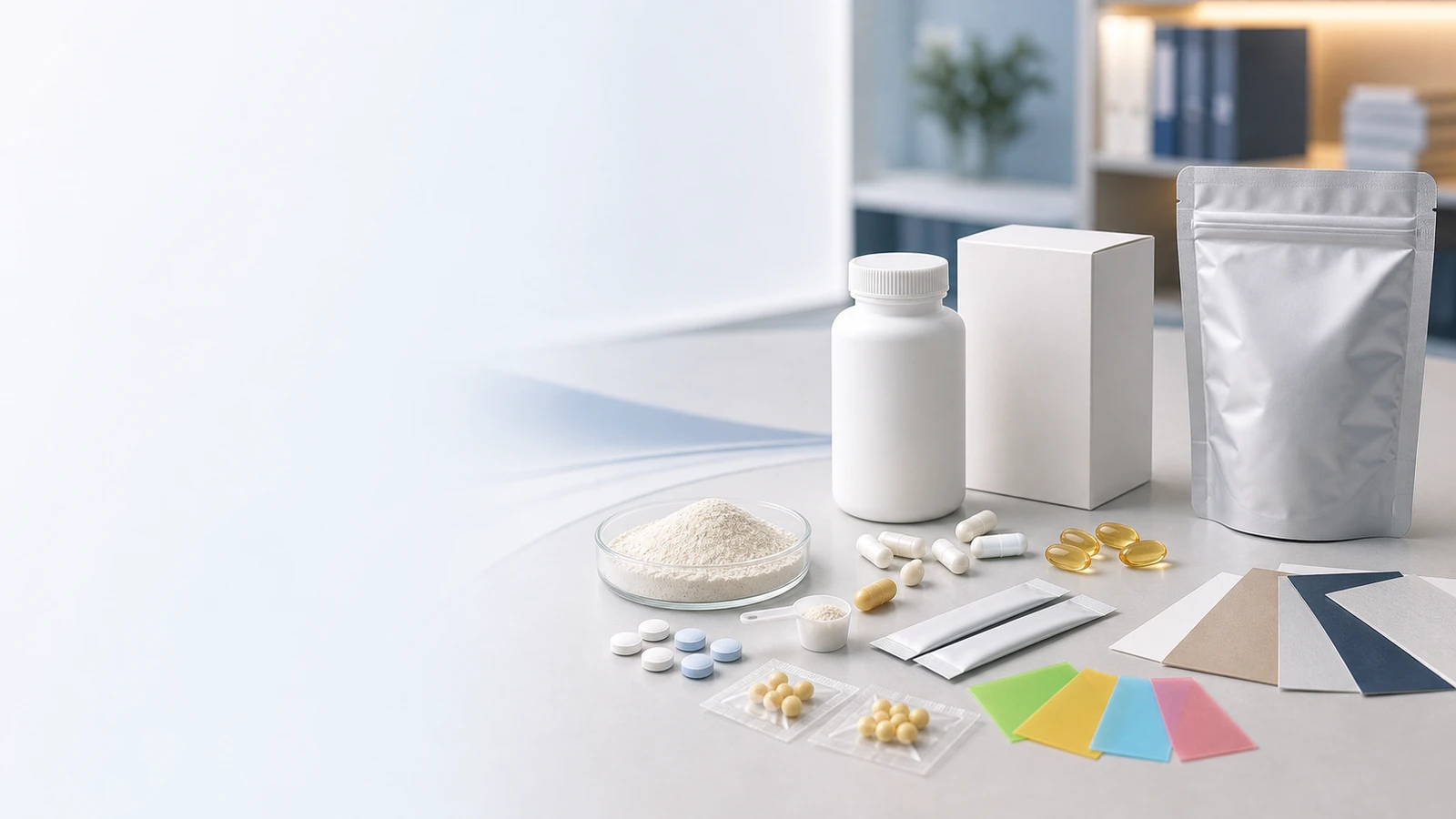
Health-food OEM,designed for market.
JSH brings ingredients, formulation, format, packaging, quality records, labeling, and market requirements into one development plan. Projects can begin before every specification is final.
Supported dosage forms
Select a format around ingredient behavior, daily intake, sensory quality, stability, manufacturing, and consumer use.
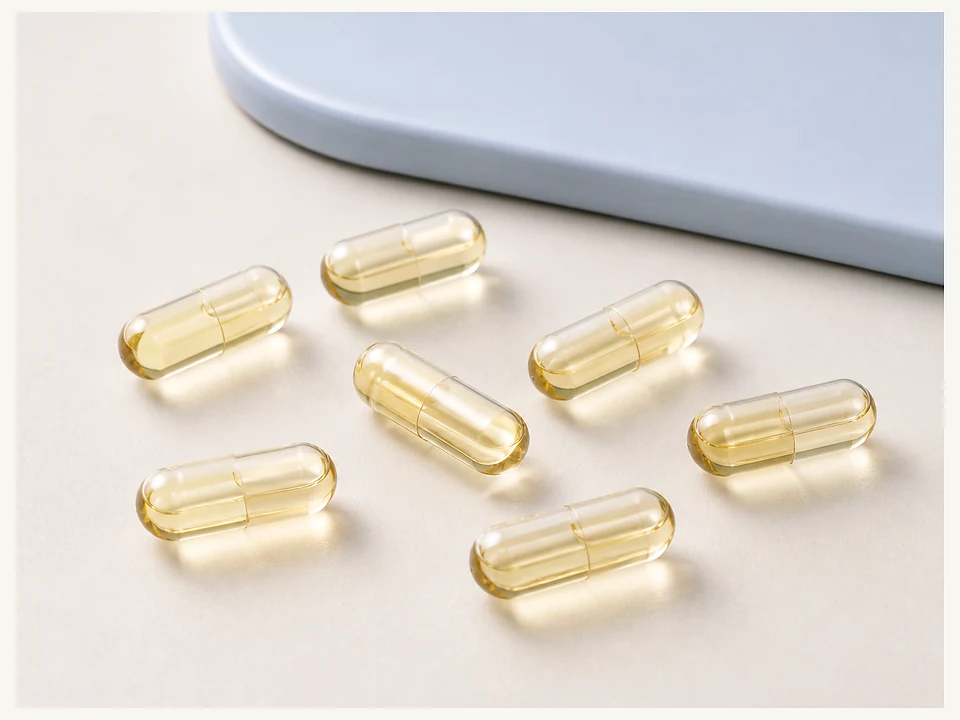
Liquid-filled hard capsules
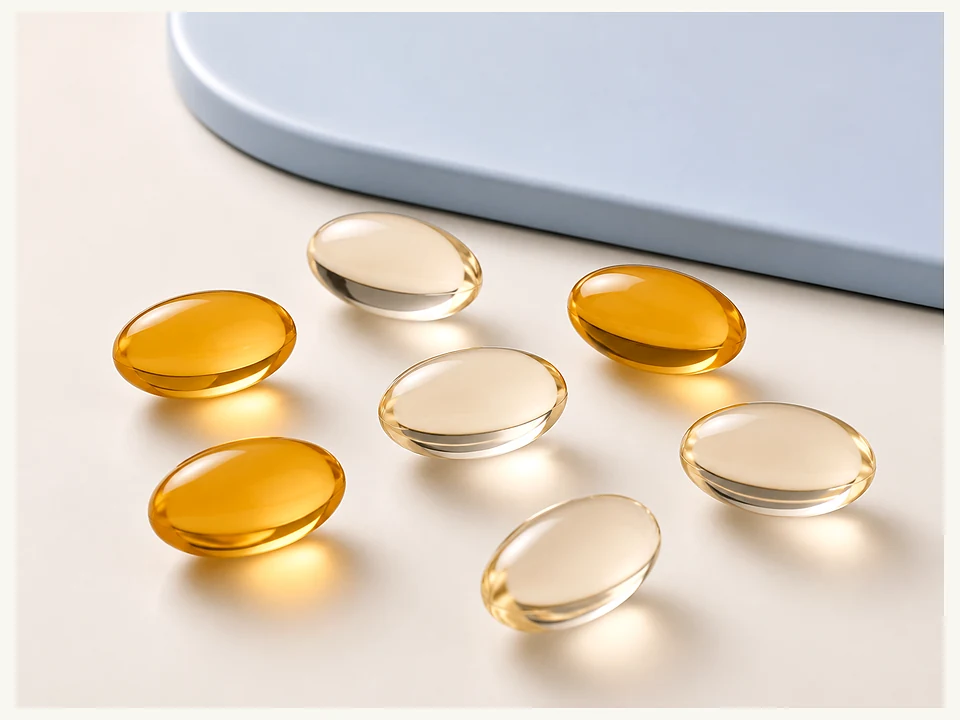
Softgels
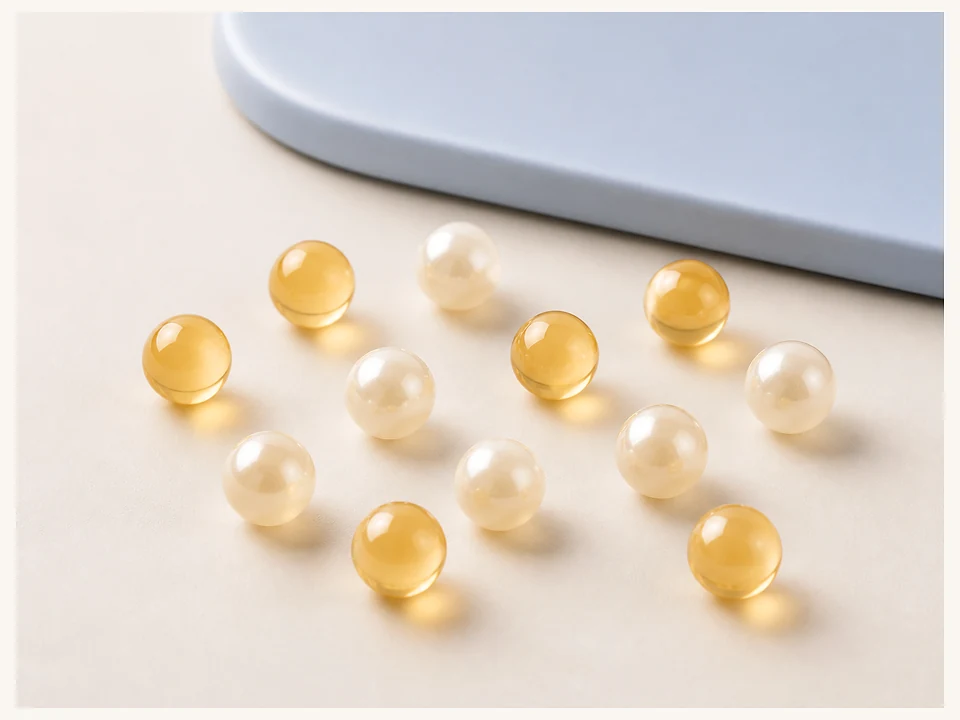
Seamless capsules
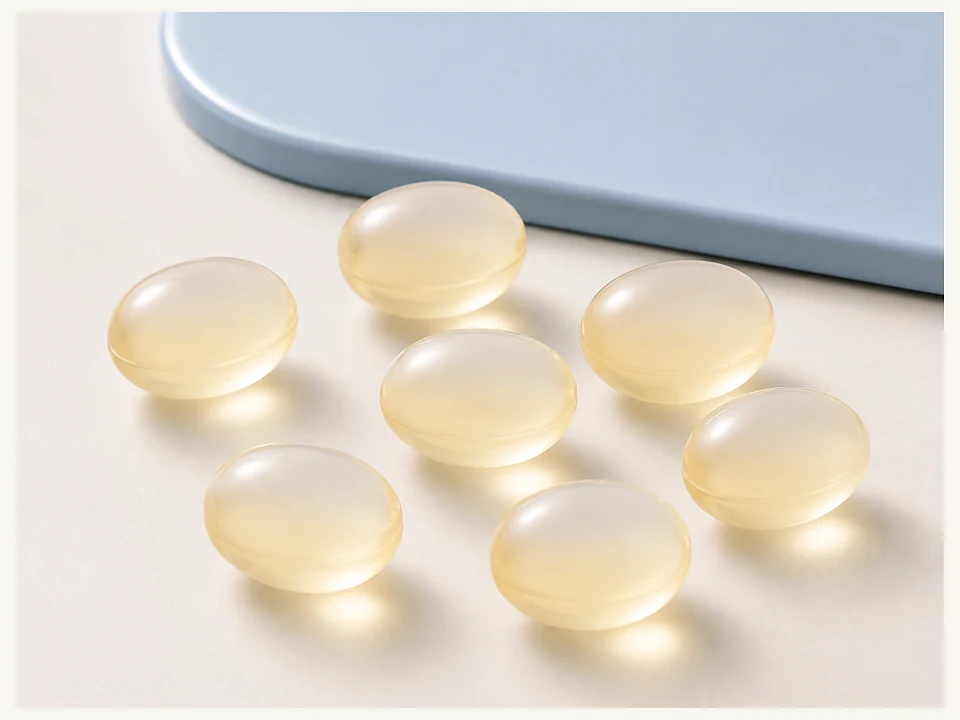
Gummy-texture capsules
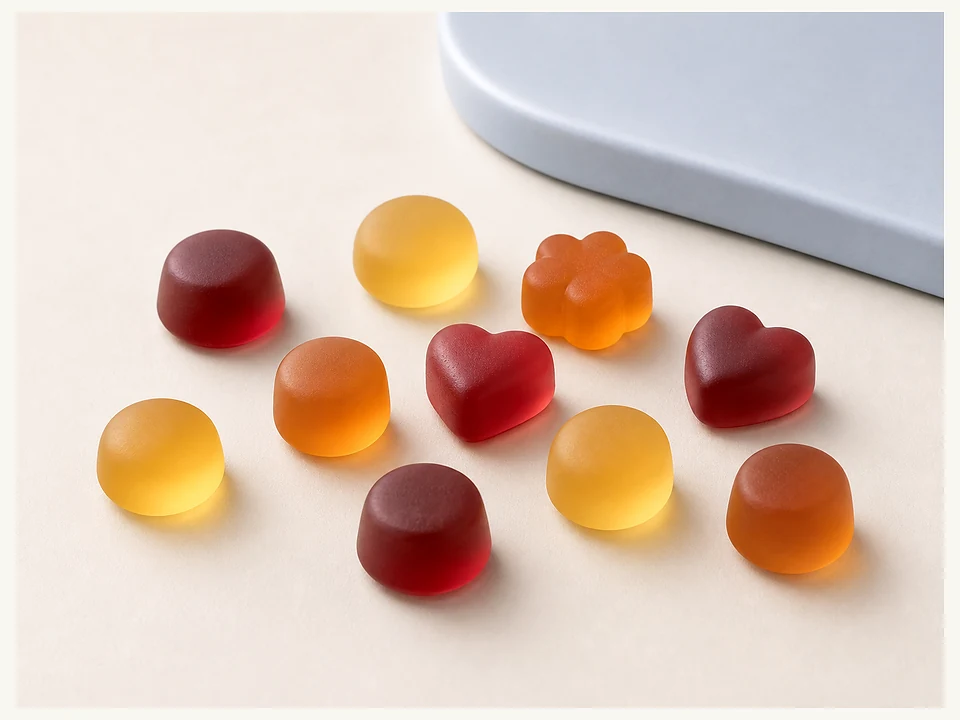
Gummies
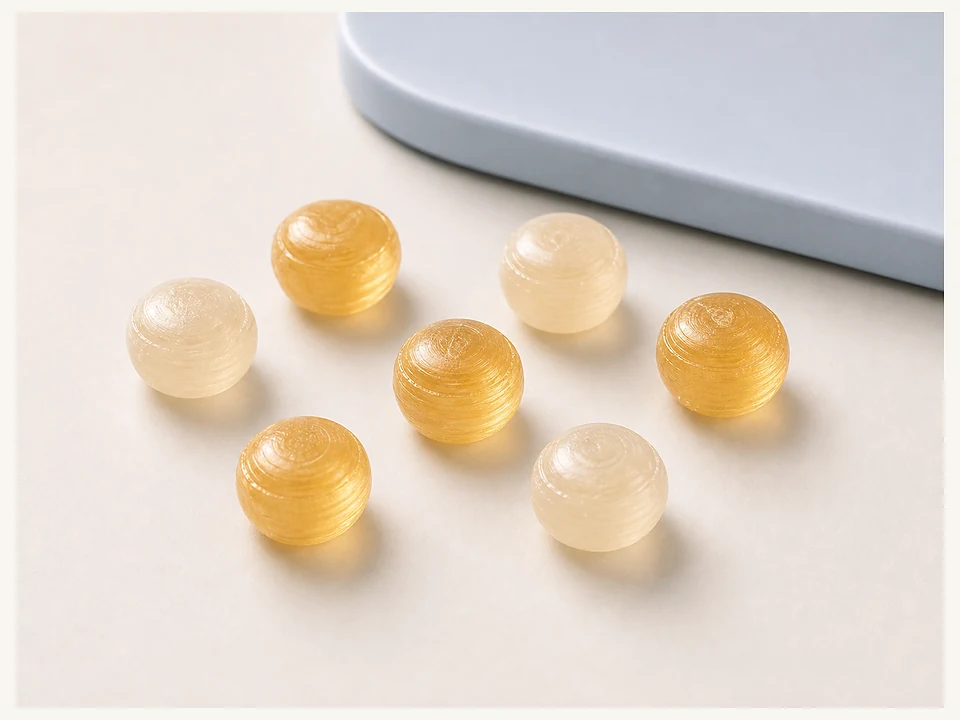
Candies
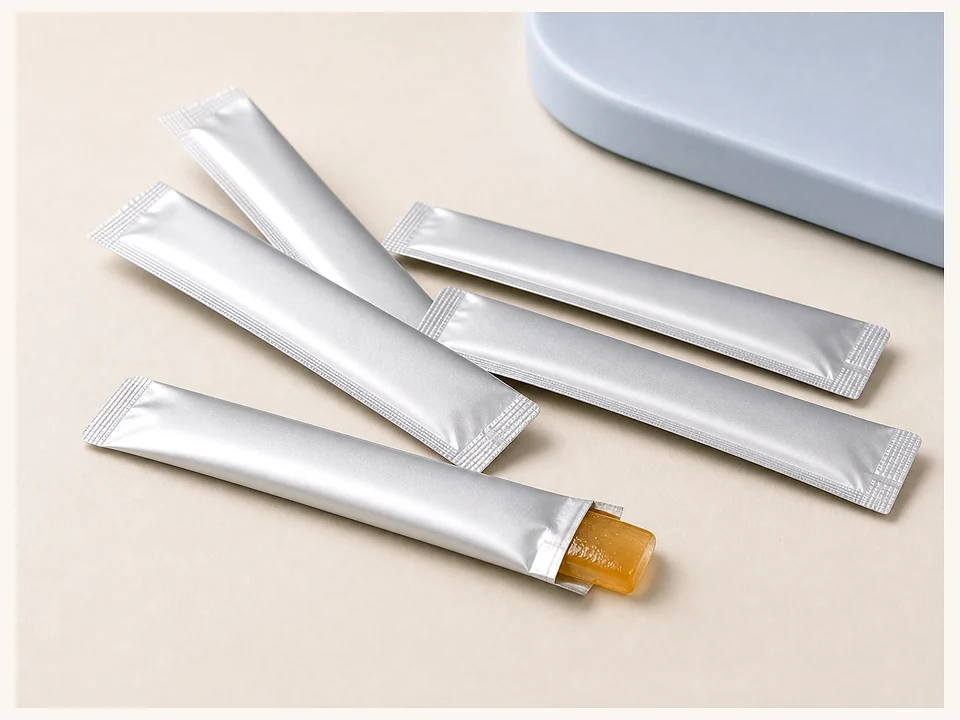
Jellies
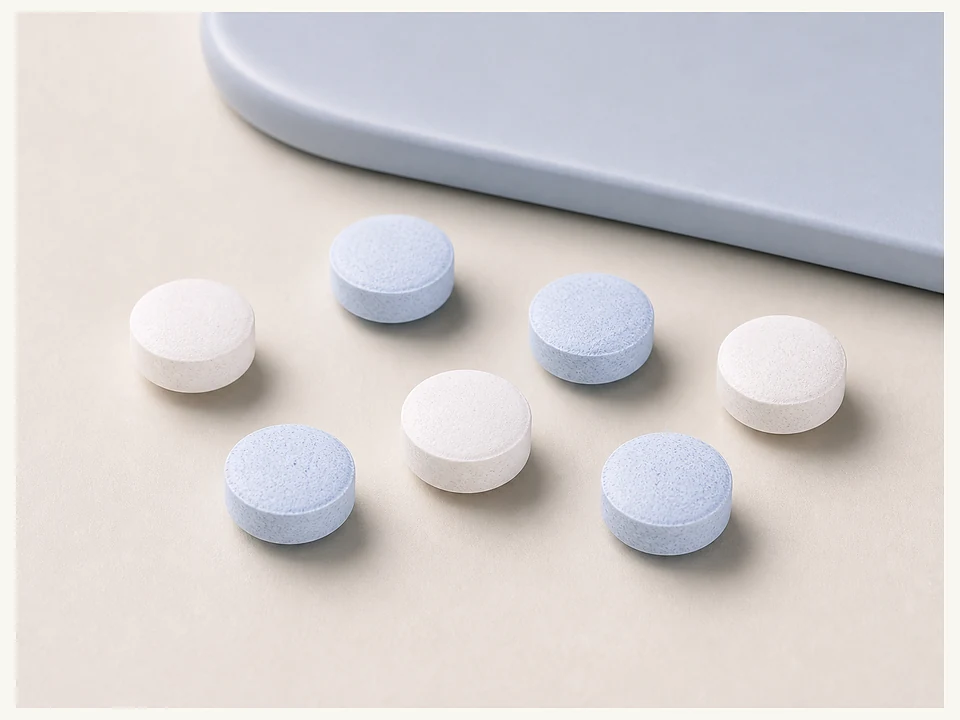
Tablets
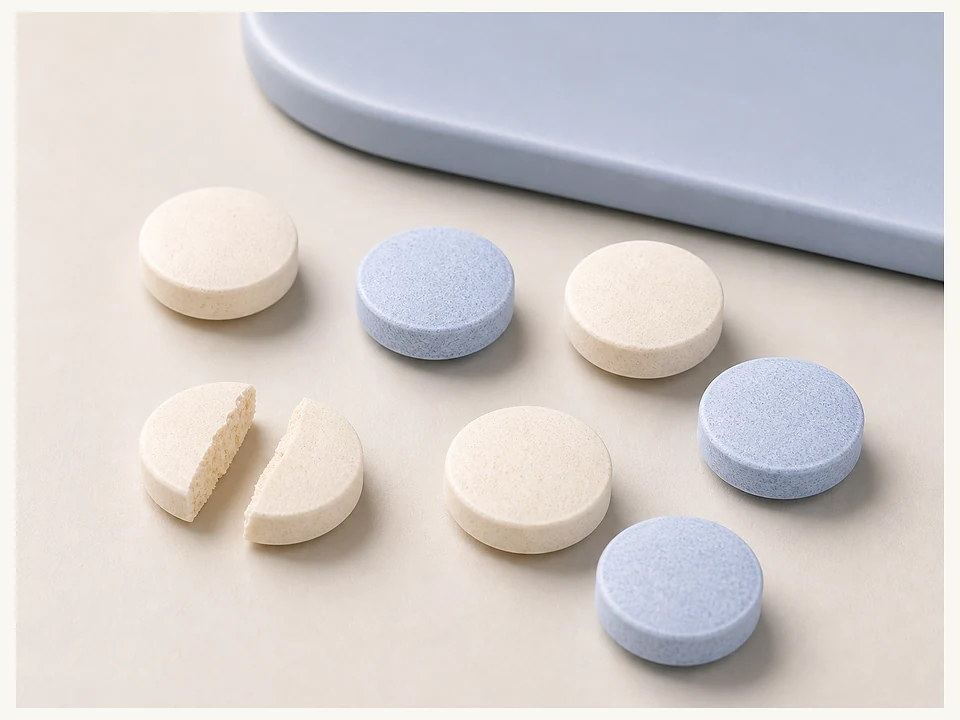
Chewable tablets
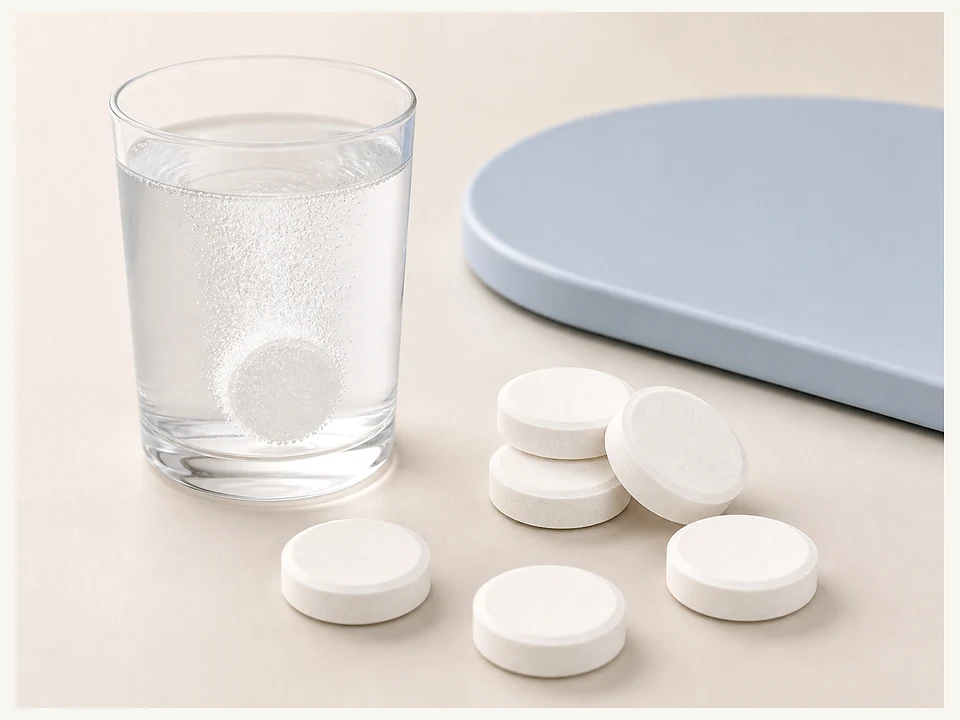
Effervescent tablets
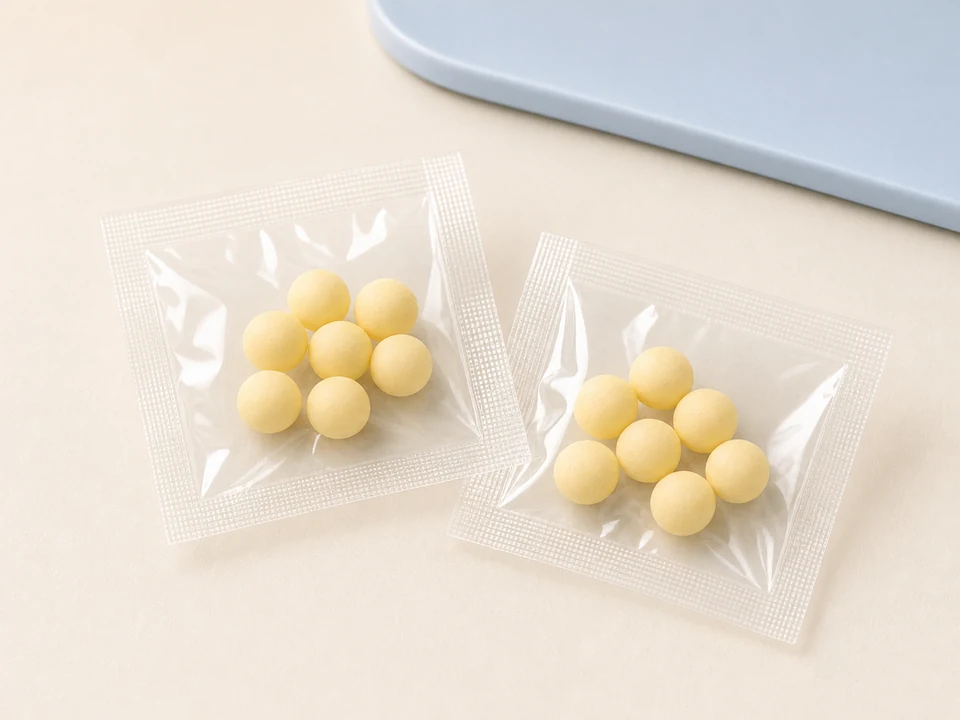
Chewable balls
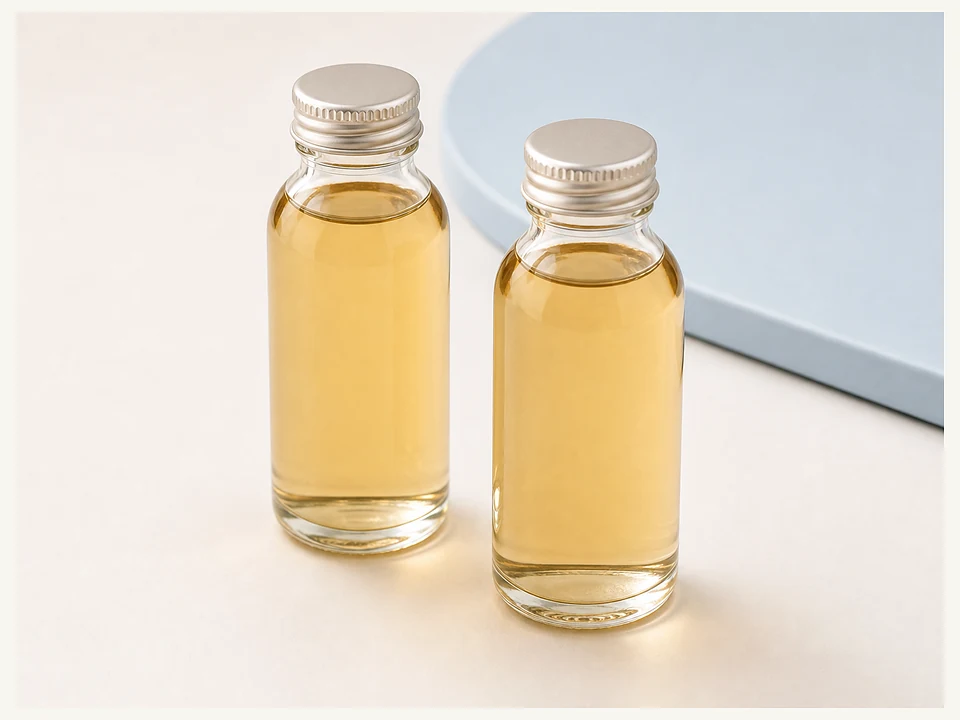
Drinks
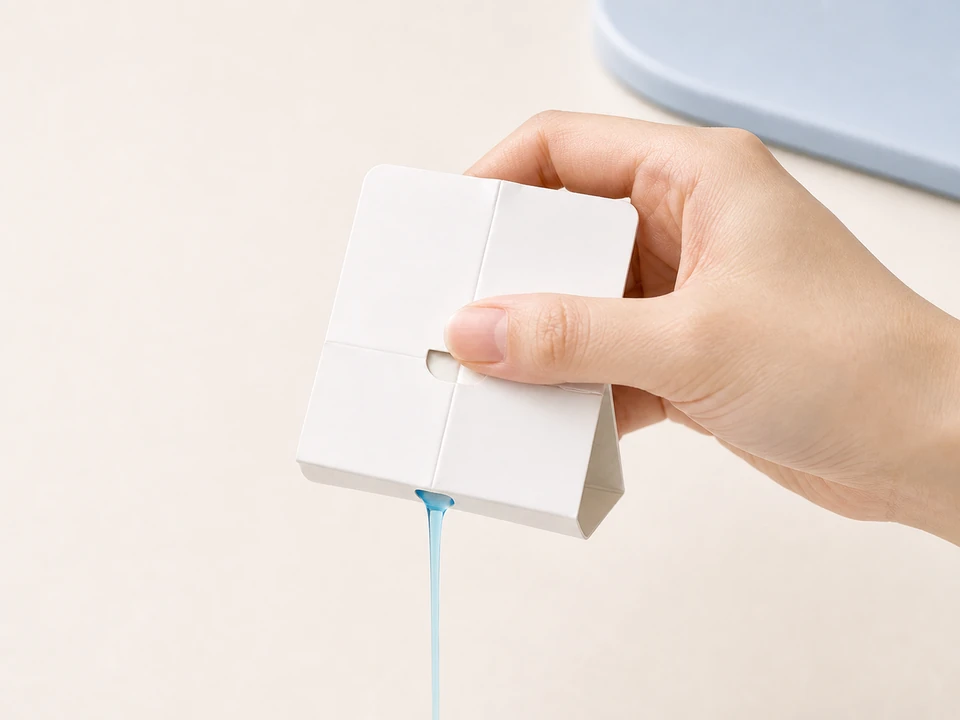
Card-format drinks
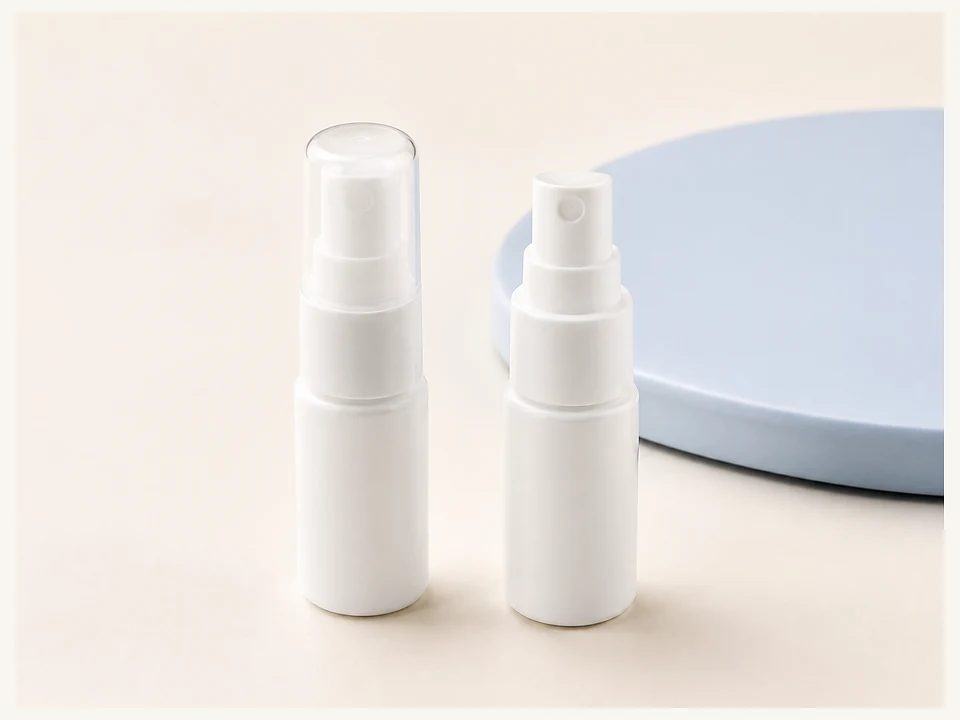
Sprays
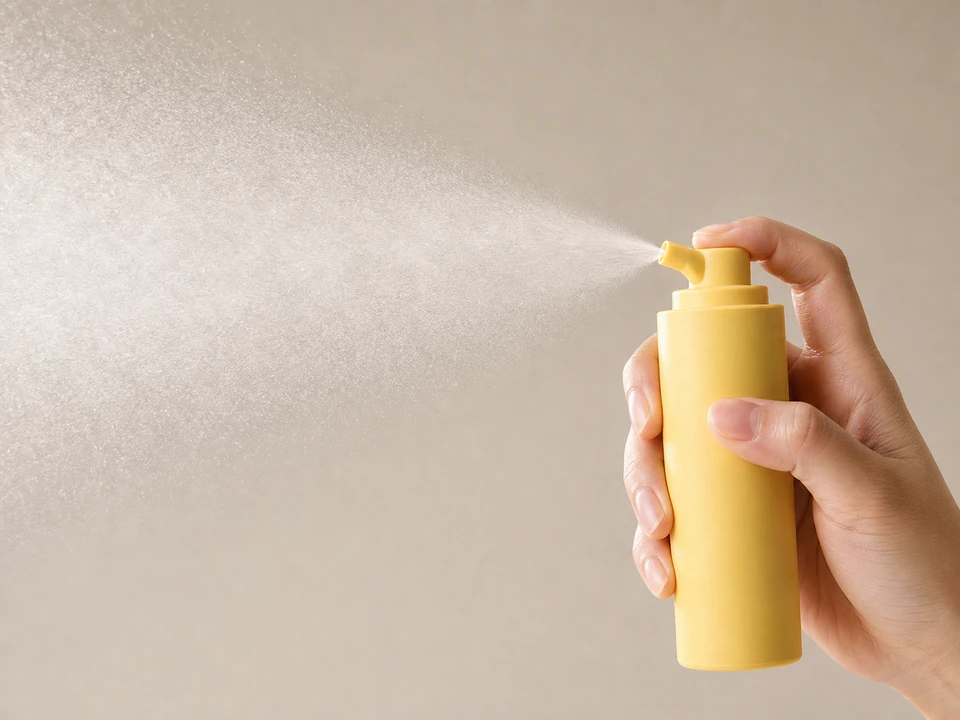
Mists
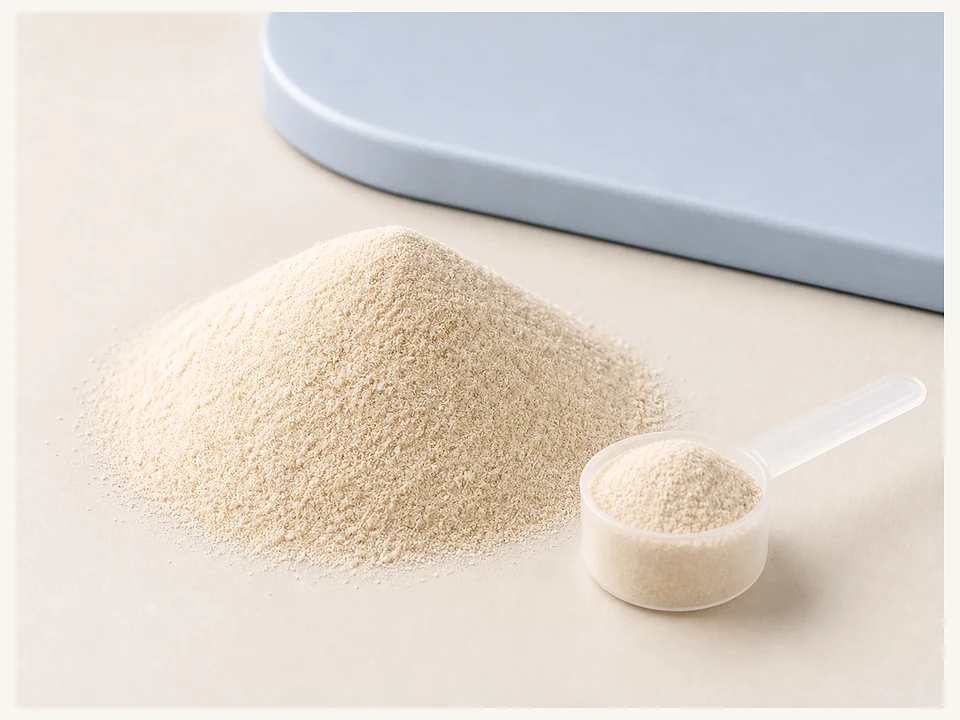
Powders
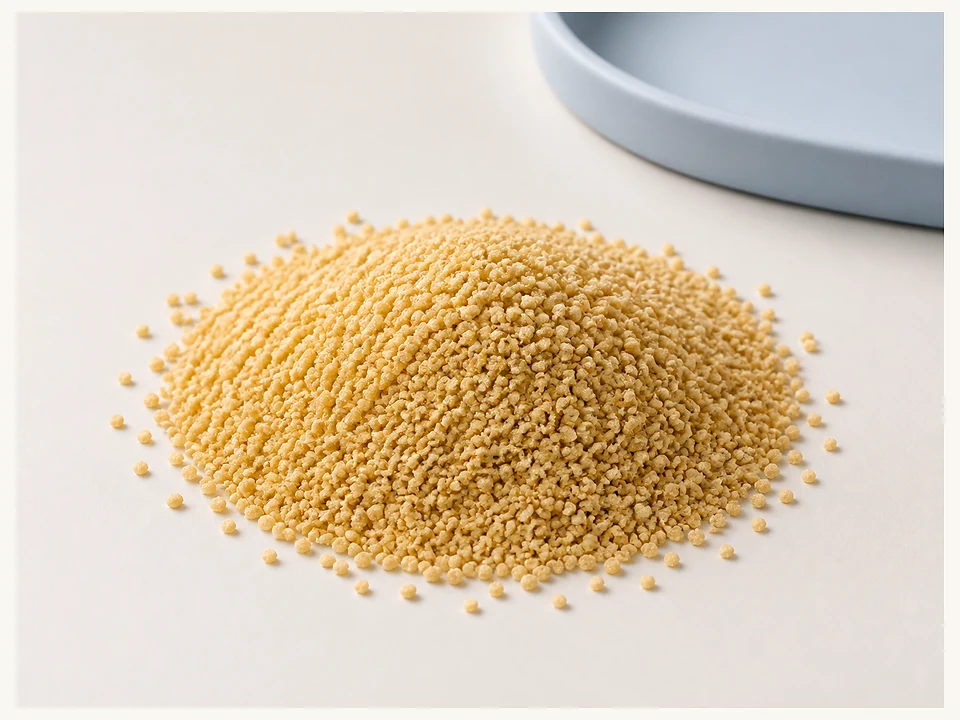
Granules
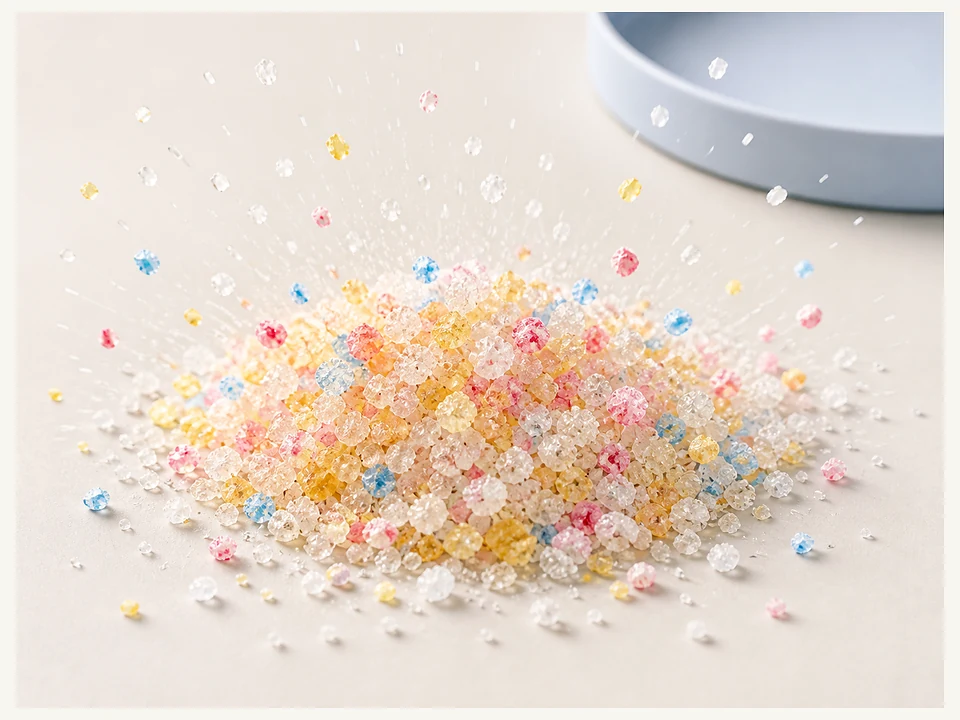
Popping candy
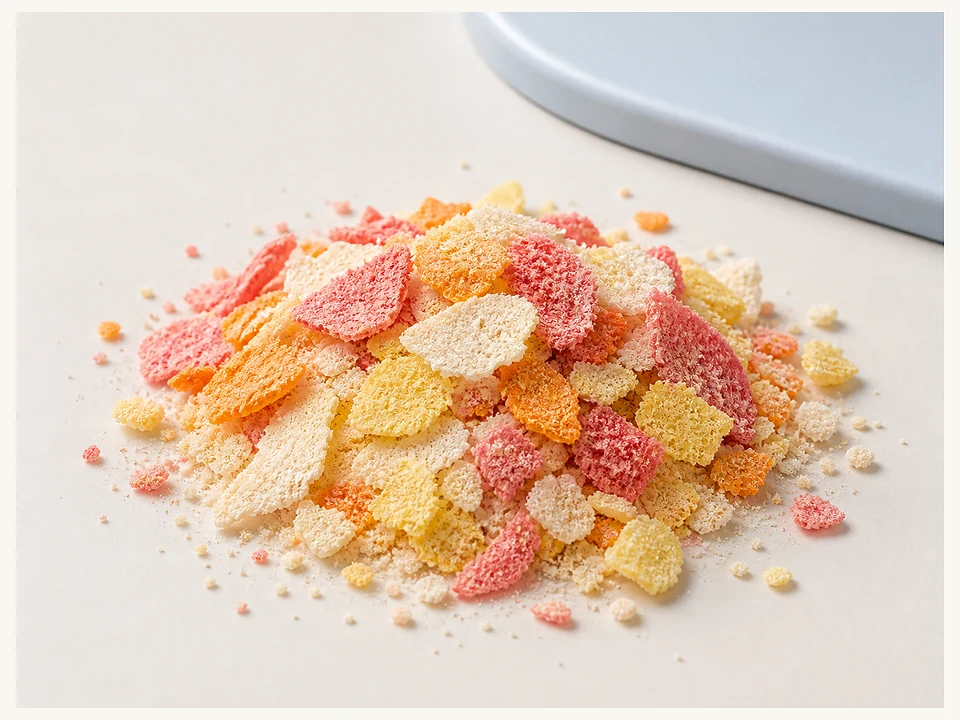
Crunchy powders
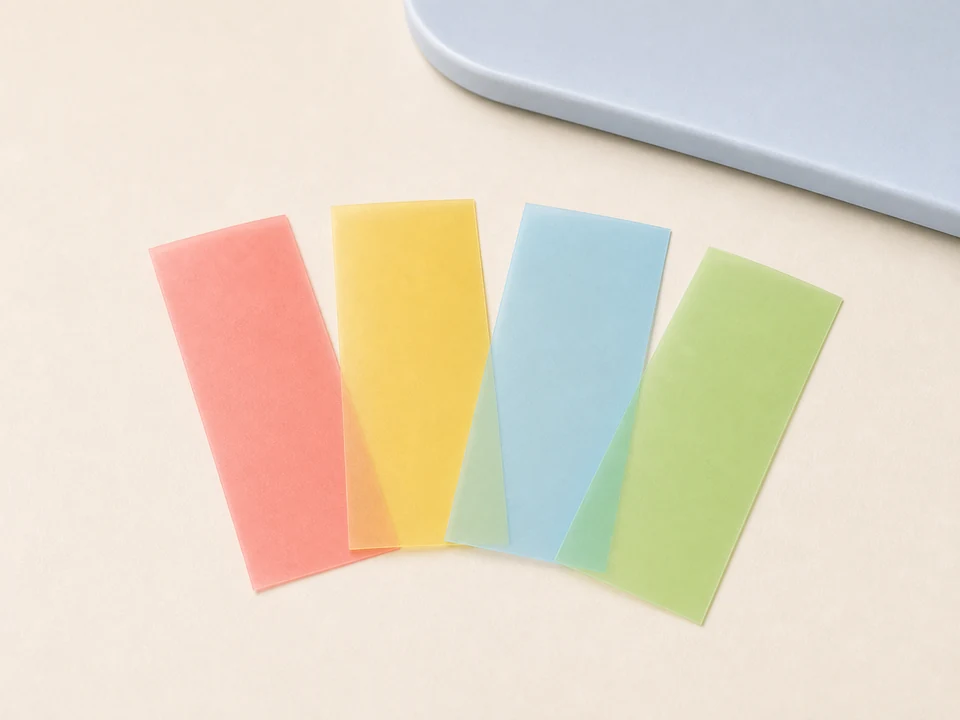
Fast-dissolving films
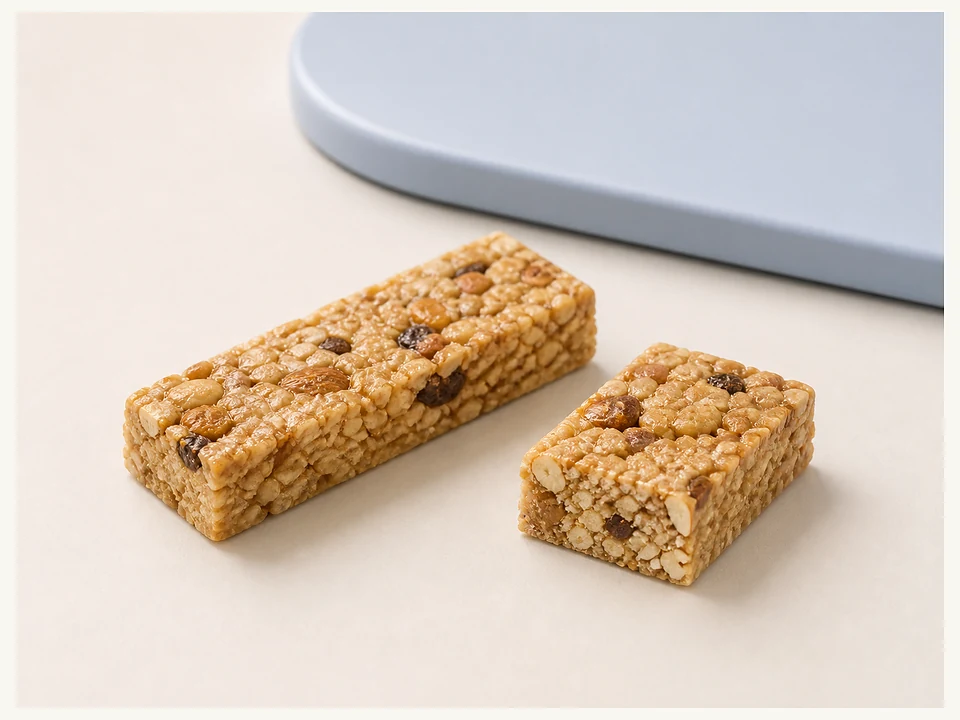
Energy bars
Packaging formats
Match pack protection, logistics, labeling space, channel needs, and presentation to the product plan.
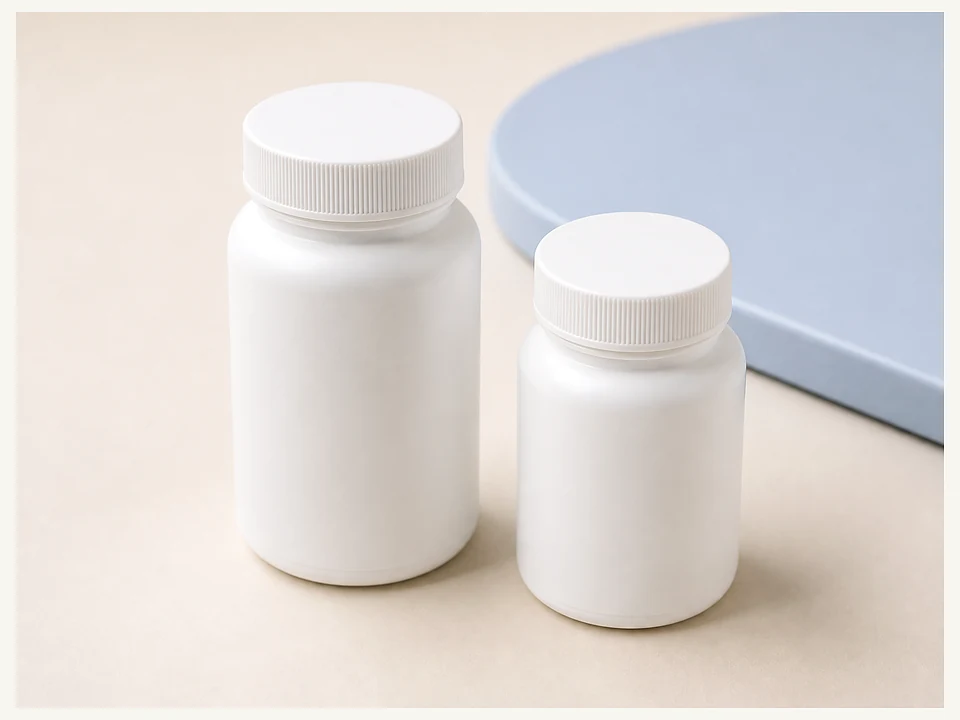
Bottles
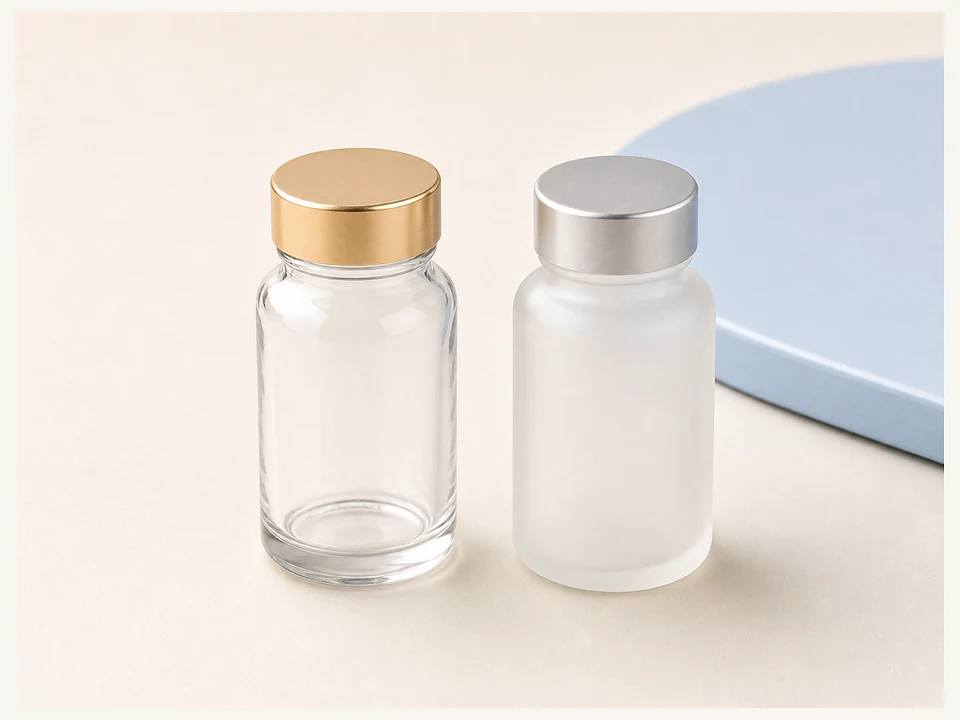
Glass bottles
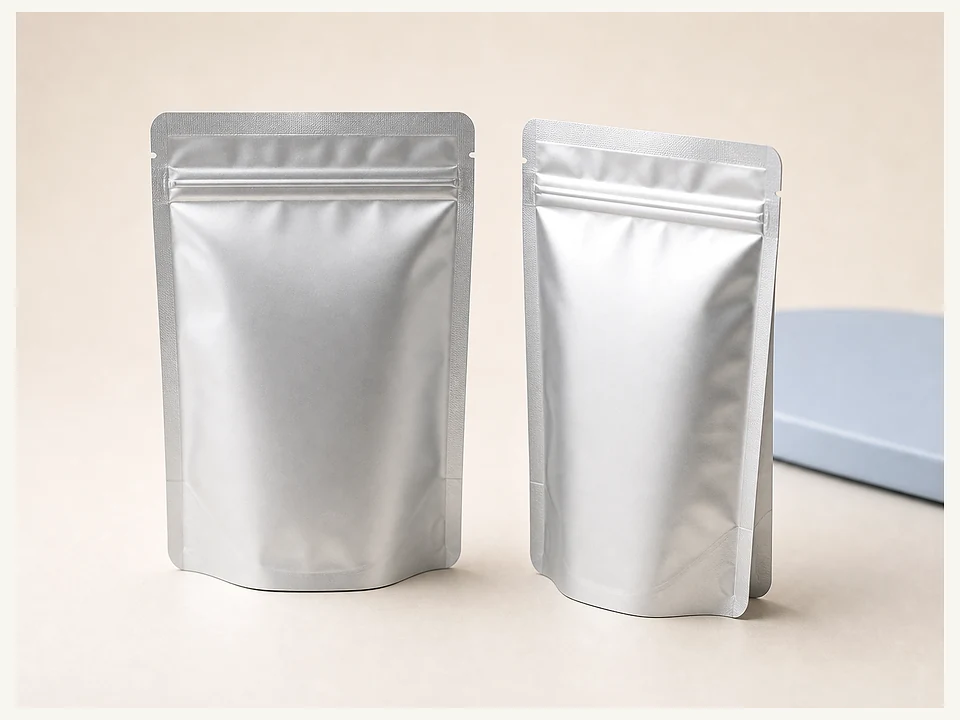
Aluminum pouches
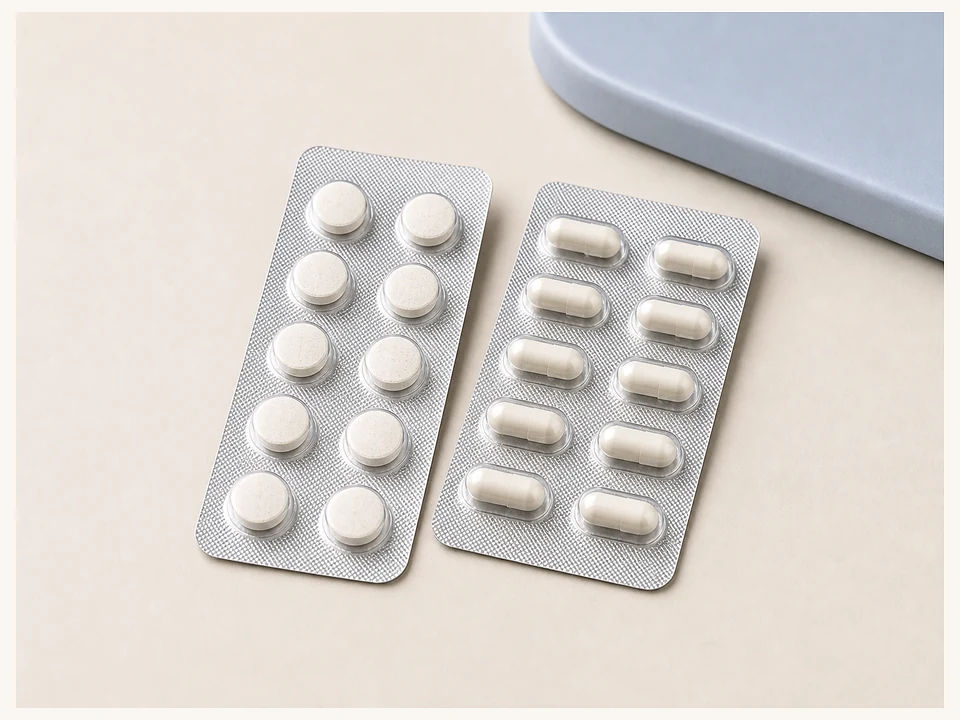
PTP blister packs
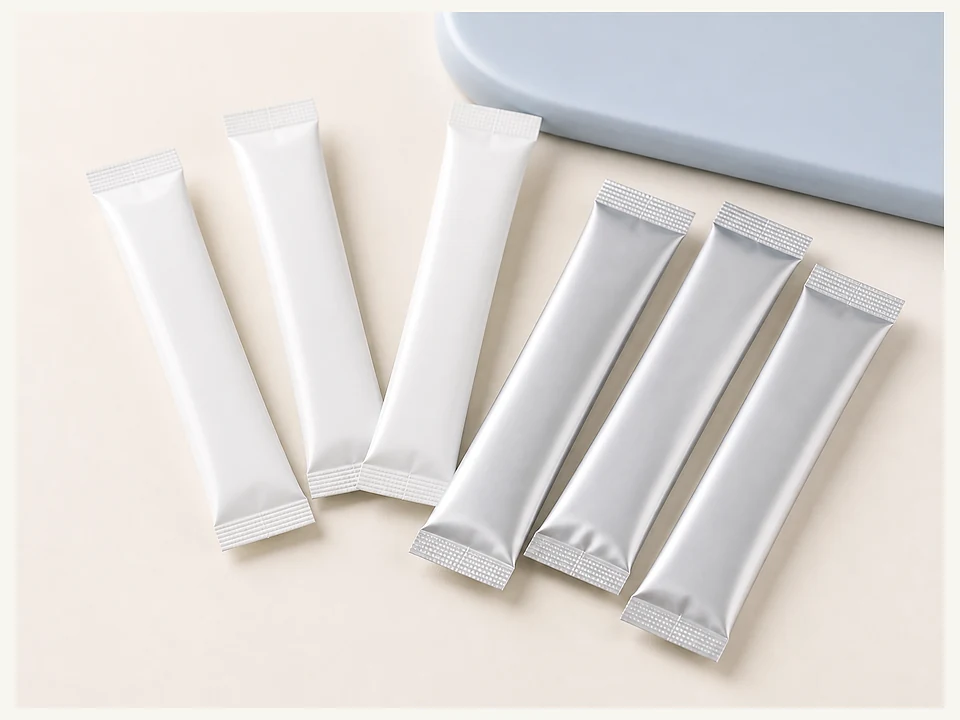
Stick packs
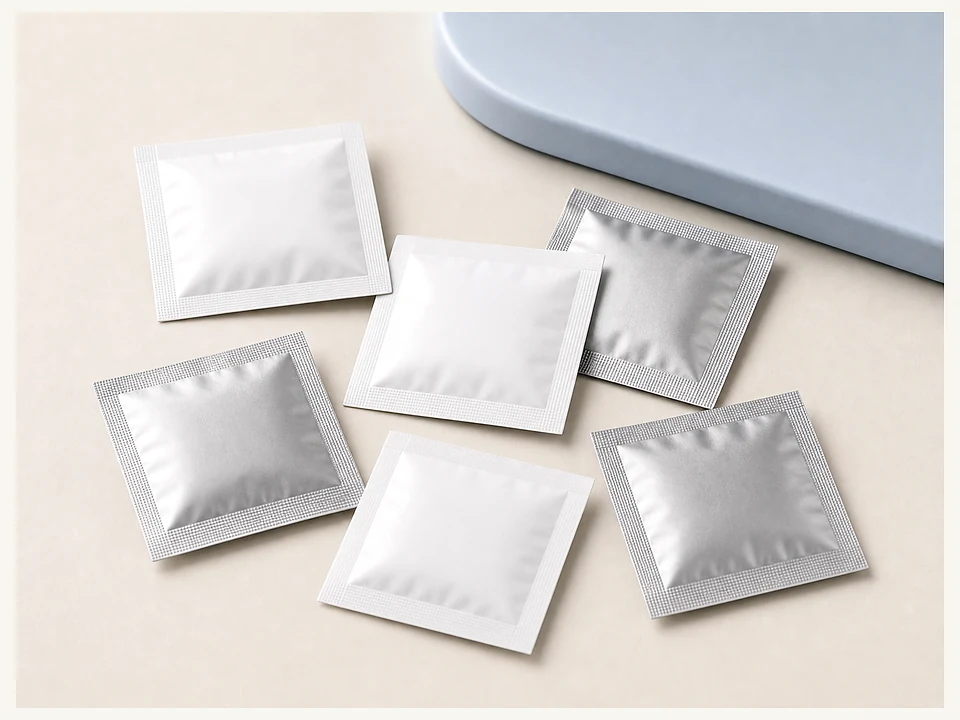
Sachets
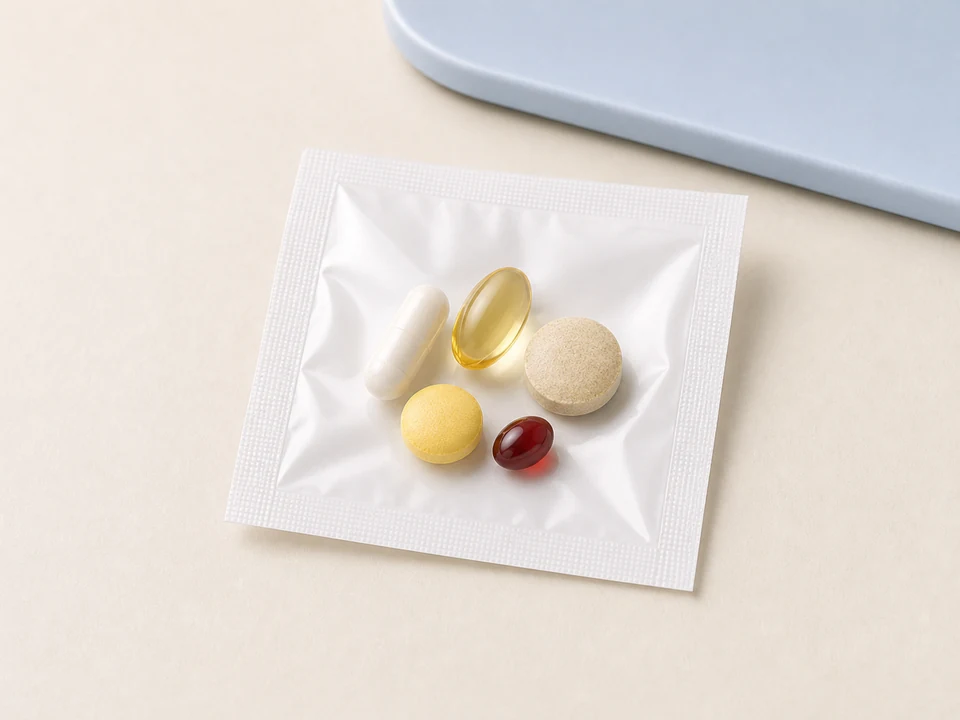
Assorted packs
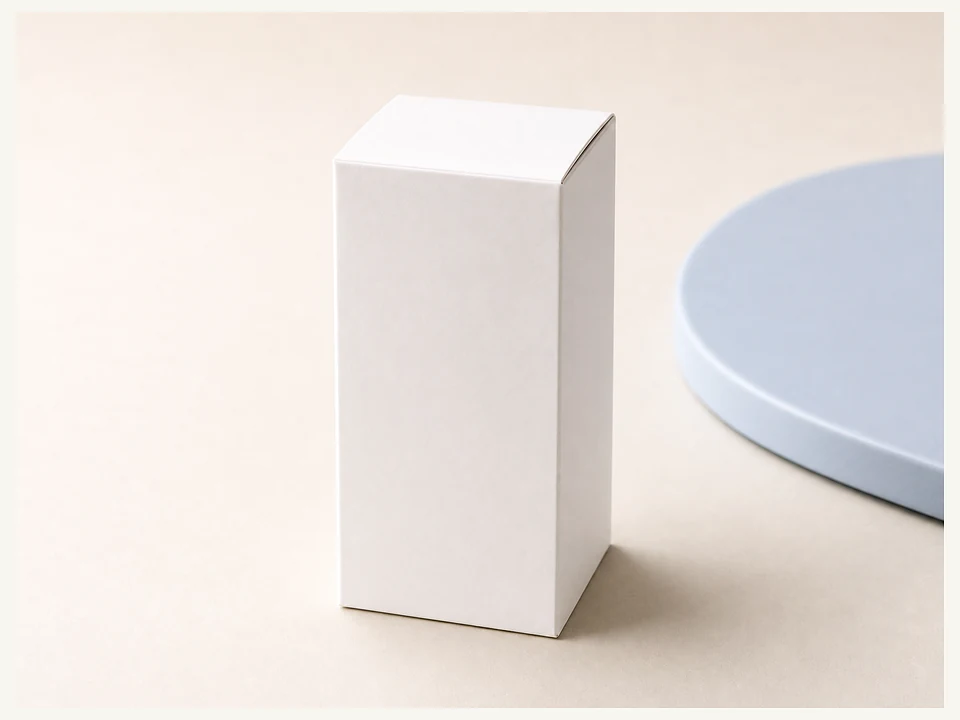
Cartons
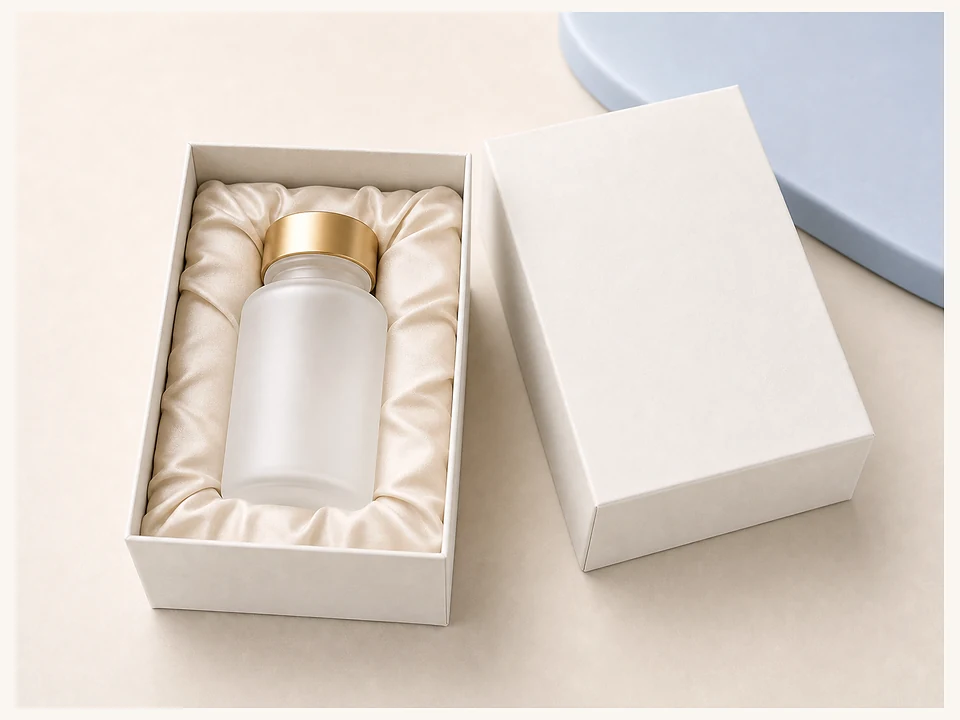
Gift boxes
Practical design for commercialization
Ingredient sourcing
Compare candidate materials, specifications, technical files, availability, and supply terms.
Formulation
Set use level, format, taste, solubility, and trial conditions around the product concept.
Pack and label
Plan pack materials, mandatory information, claims direction, and market-specific cautions.
Manufacturing
Align batch size, filling, lead time, packaging materials, and factory capability.
Quality files
Prepare specifications, COAs, test items, release criteria, and buyer-ready documentation.
Market entry
Sequence trade files, customs requirements, local review, and launch responsibilities.
Case Reference
View case studies
See outcomes across product planning, ingredients, expert review, channels, and international markets.
FAQ
OEM & ODM FAQs
Key questions about formulation, Japanese manufacturing, Foods with Function Claims, pilot production, and cross-border compliance.
Can JSH develop a complete formula from an initial concept?
Yes. JSH can turn an early concept into a commercially viable product specification by reviewing market trends, selecting primary and supporting ingredients, setting use levels, and planning the dosage form and packaging.
Can the formula include internationally patented or branded ingredients?
Yes, where appropriate. JSH can source patented and branded ingredients from Japan, Europe, the United States, and other markets, while confirming authorization, technical documentation, and supply conditions with the manufacturer.
Who owns the formula and its ingredient ratios after development?
Ownership can be arranged according to the commercial structure of the project. Formula rights, confidentiality obligations, and any market exclusivity will be defined clearly in the project agreement.
Can JSH support the project from Japanese manufacturing and ingredient sourcing through import clearance?
Yes. JSH can coordinate technical communication, production conditions, quality review, cross-border logistics, and import documents, giving international clients one point of contact for a Japanese OEM project.
What is the difference between working through JSH and contacting a factory directly?
JSH reduces the language and coordination burden of a cross-border project. We use our Japanese supply network to compare production conditions, schedules, and documentation requirements, and help align decisions at each stage.
How long does Japanese OEM production usually take?
Timing depends on the formula, dosage form, trial production, and packaging. From formula approval to delivery of the first commercial batch in Taiwan, a typical planning range is four to six months. A project-specific schedule will be provided after review.
How long does a Foods with Function Claims notification usually take?
A preliminary planning range is six to eight months, covering scientific substantiation, dossier preparation, and the authority's filing process. Actual timing depends on the ingredient, evidence, and completeness of the documentation.
Can JSH assist with clinical evidence or a systematic review (SR)?
Yes. Depending on the project, JSH can coordinate materials for clinical studies, review the available evidence, and prepare systematic-review documentation aligned with Japanese requirements.
Does a multi-ingredient formula make a Foods with Function Claims notification more difficult?
It may increase the complexity of interaction assessment, stability testing, and scientific substantiation. We generally recommend defining a core functional component or establishing an evidence plan that supports the complete formula.
What is the minimum quantity for small-batch production in Japan?
Minimums vary by dosage form and factory. A common range is tens of thousands to around one hundred thousand tablets or capsules, or an equivalent production batch. JSH compares suitable options based on the product specification.
Can stability and packaging-compatibility tests be conducted during pilot production?
Yes. Accelerated stability testing, storage-condition checks, and packaging-compatibility evaluations can be arranged according to the product's risk profile.
Is the unit cost higher for a small pilot batch?
Usually, yes. Setup costs and production losses are distributed across fewer units. However, a pilot batch can reduce inventory exposure and market-validation risk before a full launch.
Which supplement ingredients can be considered for a GLP-1 concept product?
The ingredient's regulatory status, permitted food use, and supporting scientific evidence must be confirmed first. JSH can screen options such as dietary fiber and protein peptides for the target market, without positioning the product as having a medical effect.
Which dosage forms suit a GLP-1 concept product?
Drinks, powders, capsules, or oral films may be considered based on the ingredients, daily use level, and consumption setting. The final format must also satisfy stability, regulatory, and consumer-experience requirements.
What advertising precautions apply to a GLP-1 concept product sold in Taiwan?
Advertising should undergo professional regulatory review. Claims must avoid disease treatment, pharmaceutical action, or unsupported physiological effects, and every statement should remain consistent with the product's evidence.
Can NMN, PQQ, or GABA concept products developed with fermented sake lees be used in Taiwan?
This requires a case-by-case review of the ingredient's regulatory status, manufacturing process, specification, and the authority's interpretation. JSH can provide Japanese manufacturing and quality documentation, but cannot guarantee that any ingredient or product will be permitted in a particular market.
What are the advantages of Japanese fermented sake-lees research and development?
It can combine strain selection, fermentation, extraction, and standardization technologies, supported by data on purity, stability, and batch-to-batch quality for commercial product design.
Which product formats suit fermented sake-lees ingredients?
Drinks, powdered beverages, capsules, and other formats can be evaluated according to solubility, flavor, and stability, then selected to fit the target consumer and market proposition.
Information for professionals
This page is intended for companies planning health-food, supplement, or functional-ingredient OEM and ODM projects.
Final formulation, manufacturing, labeling, advertising, import, and export decisions must be reviewed for the specific product and current target-market requirements.